
Spanish Fork Foundation Pros
Piering and Underpinning in Spanish Fork, UT
Steel and helical piers stop active settlement in Spanish Fork homes, load transfer brackets included, free written estimates.
- 15+ Years local experience
- 500+ Projects completed
- Licensed & Insured
Serving Spanish Fork and nearby communities.
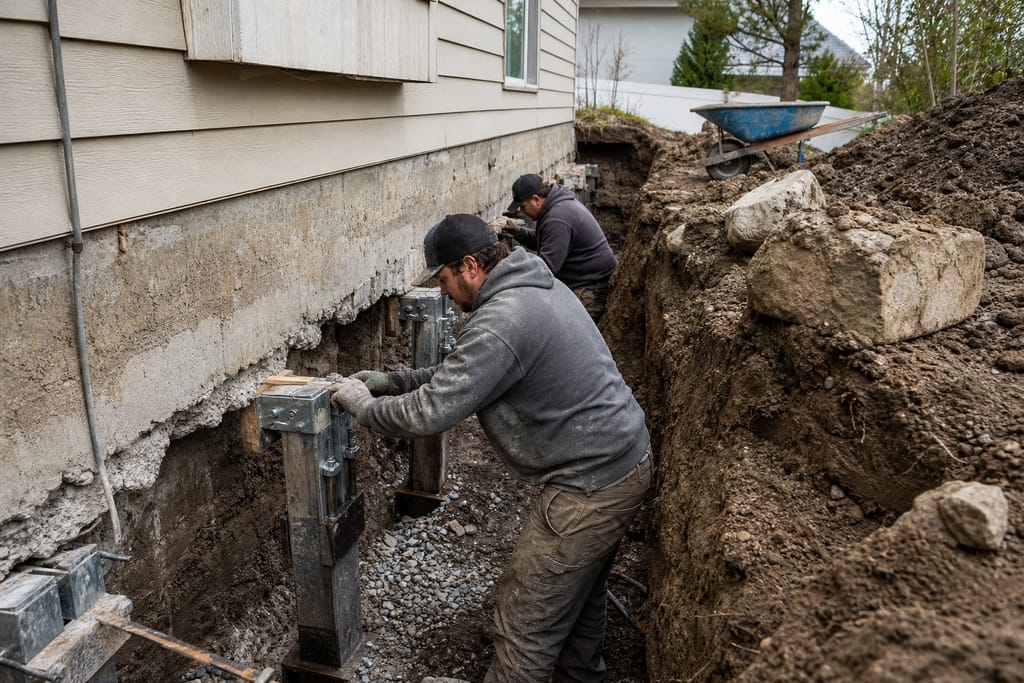
When a corner of the house is sinking or a footing has separated from the slab, crack sealant won't hold it. Spanish Fork Foundation Pros installs steel push piers and helical piers that reach past the valley's clay and sand layers to stable soil, transferring the building's weight off the soft ground that's been moving under it. This is the fix for active settlement, not cosmetic surface work.
Most calls come from homeowners in newer Spanish Fork subdivisions where fill soil compacted unevenly during construction, or older homes where decades of seasonal soil movement finally caught up with a footing. Either way, the diagnosis starts with a site visit, not a sales pitch.
What's included
What's Included with Piering and Underpinning
Typically included: structural evaluation, pier count recommendation, excavation at each pier location, pier driving to load-bearing strata, bracket installation, hydraulic lift to target elevation, backfill and compaction.
Optional: interior monitoring points to track settlement after the repair, additional piers beyond the minimum engineered count for extra margin.
Customer prep: clear access along the foundation perimeter where piers will be placed and move vehicles or landscaping away from the work zone.
Want a clearer scope?
Get a Free EstimateHow it works
How Our Piering and Underpinning Process Works
 Step 1
Load Assessment
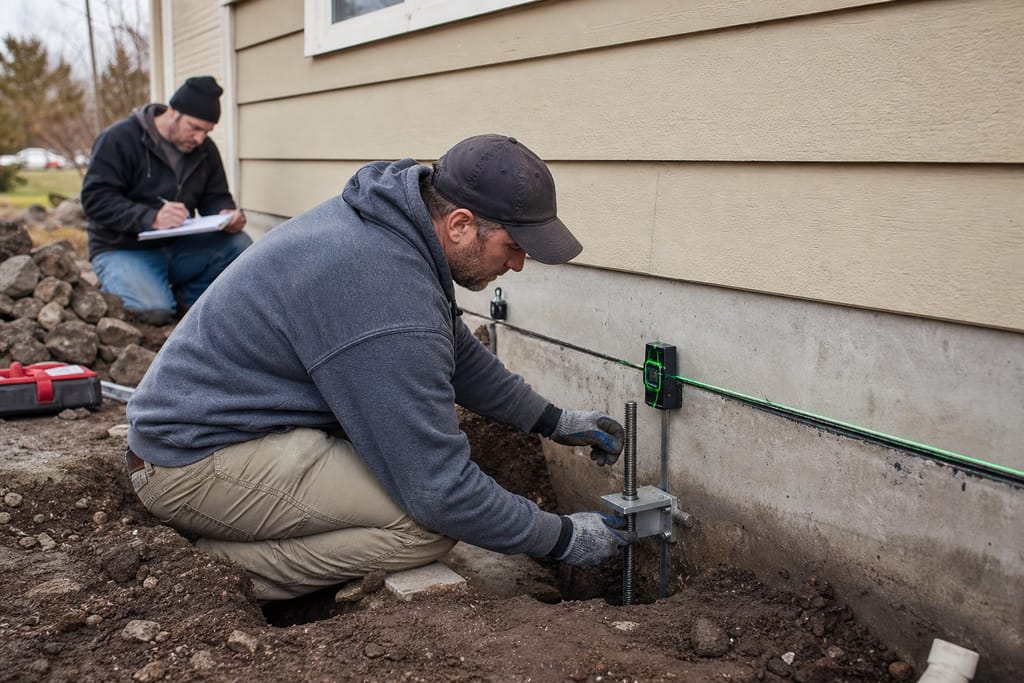
Technicians analyze weight distribution across the foundation to set pier spacing.
 Step 2
Access Excavation
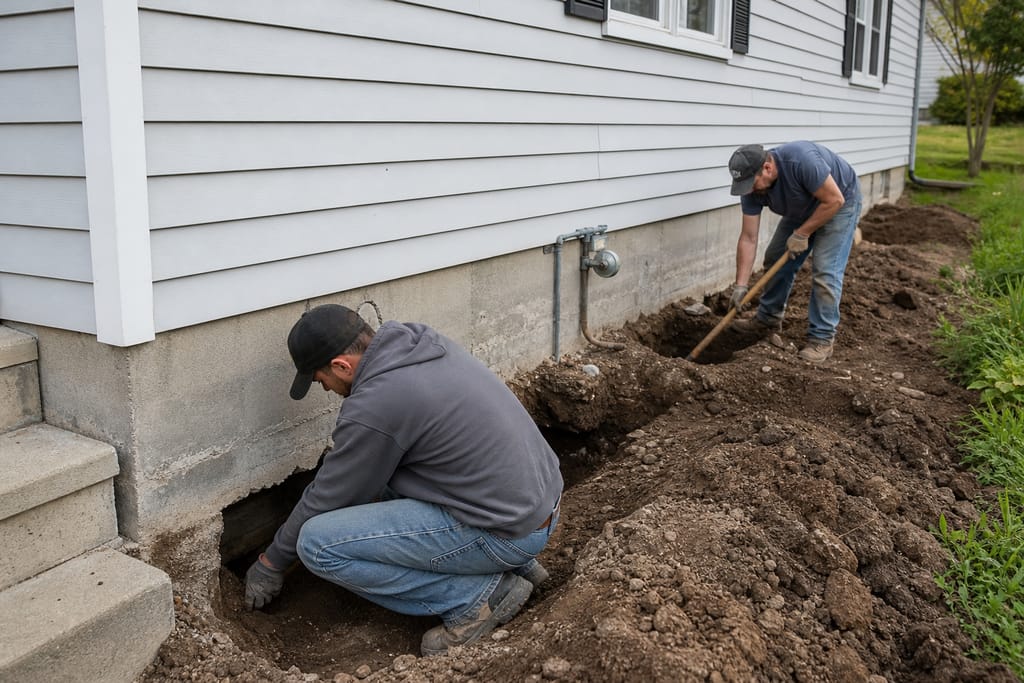
Small excavation points open along the perimeter where piers will go.
 Step 3
Pier Driving
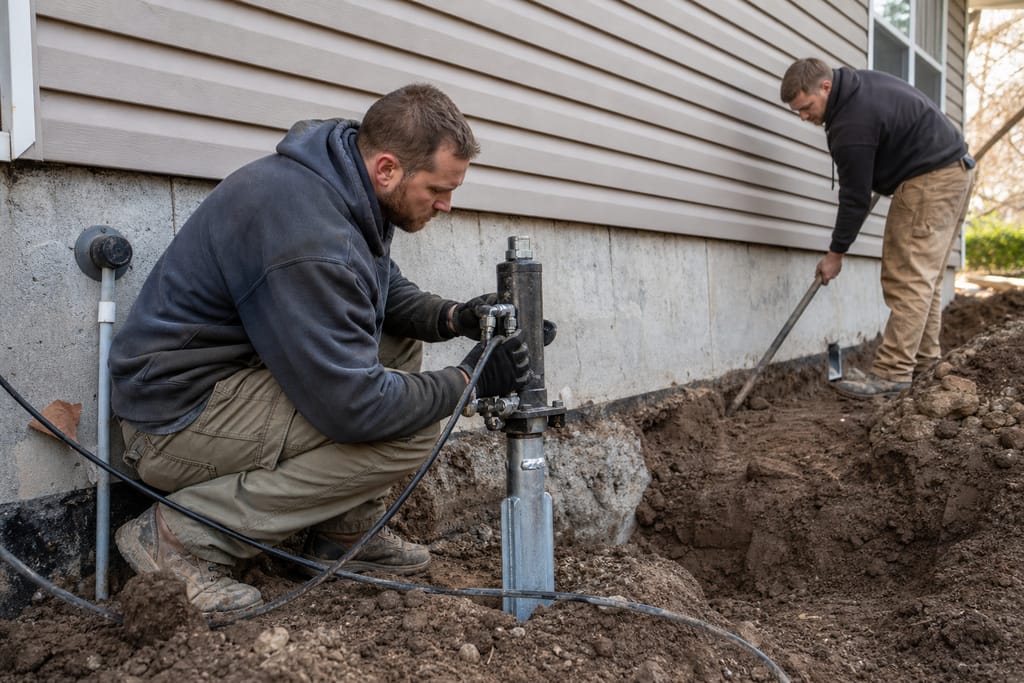
Steel or helical piers go in until they hit stable soil below the valley clay.
 Step 4
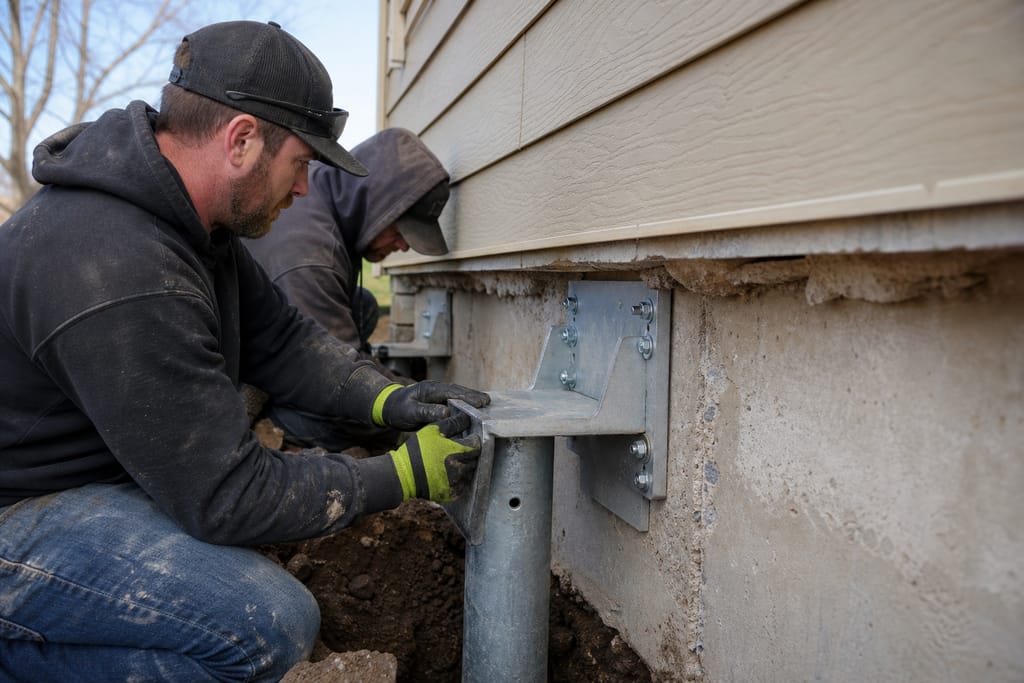
Load Transfer
Brackets connect each pier to the footing so weight shifts off the soft ground.
 Step 5
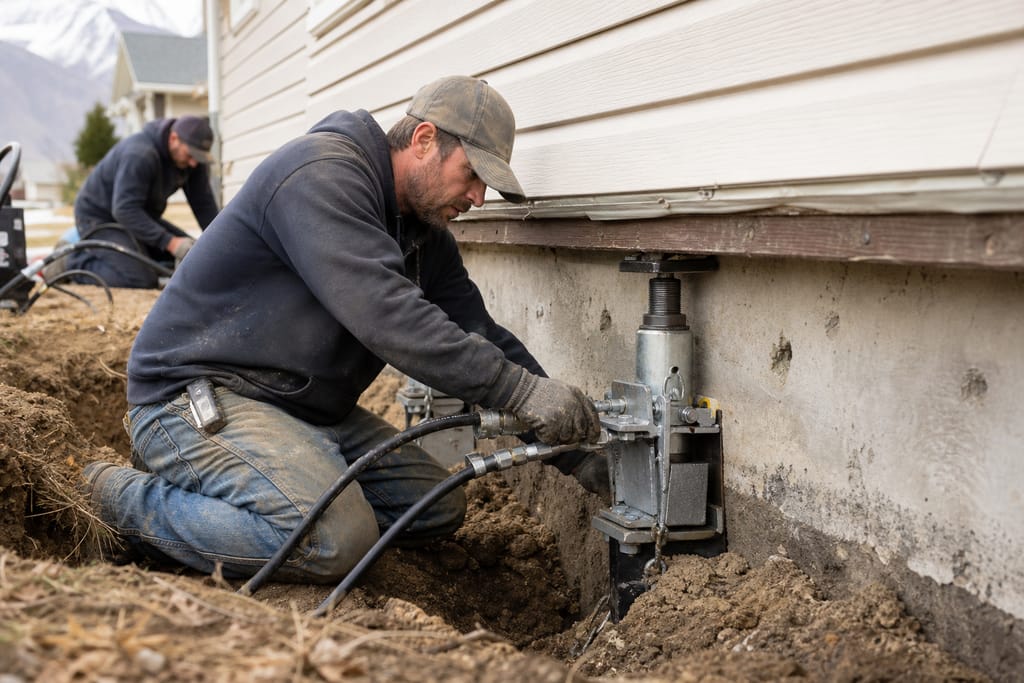
Leveling Adjustment
Hydraulic jacks raise the foundation section by section to target elevation.
 Step 6
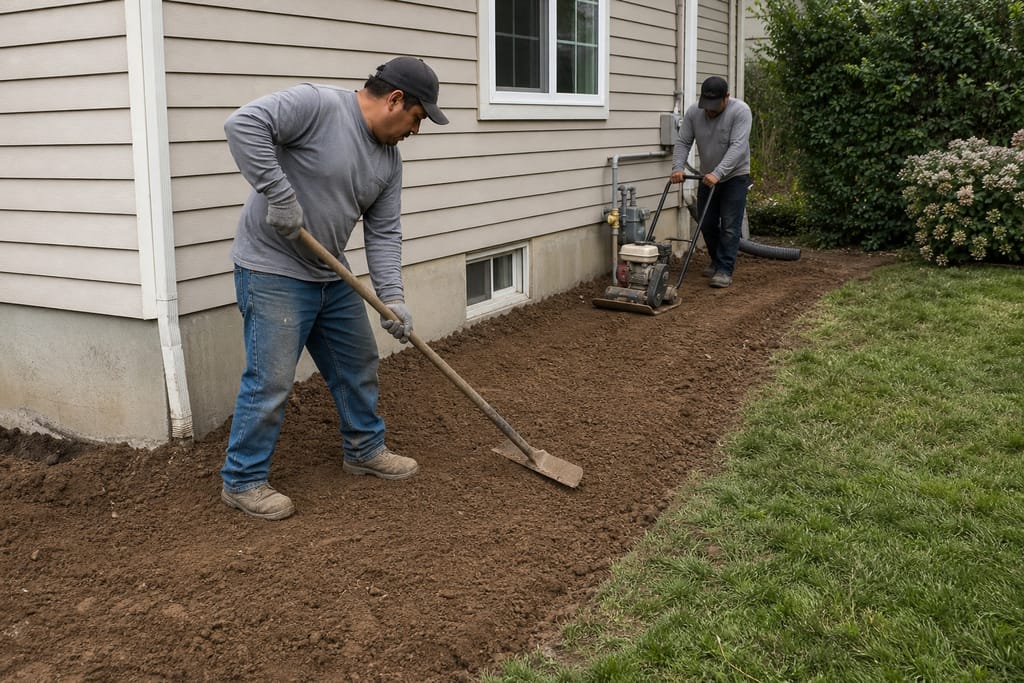
Site Restoration
Crews backfill and compact soil to match the original grade.
Materials
Materials and Methods for Piering and Underpinning
Pier selection depends on soil depth readings and the load the foundation is carrying.
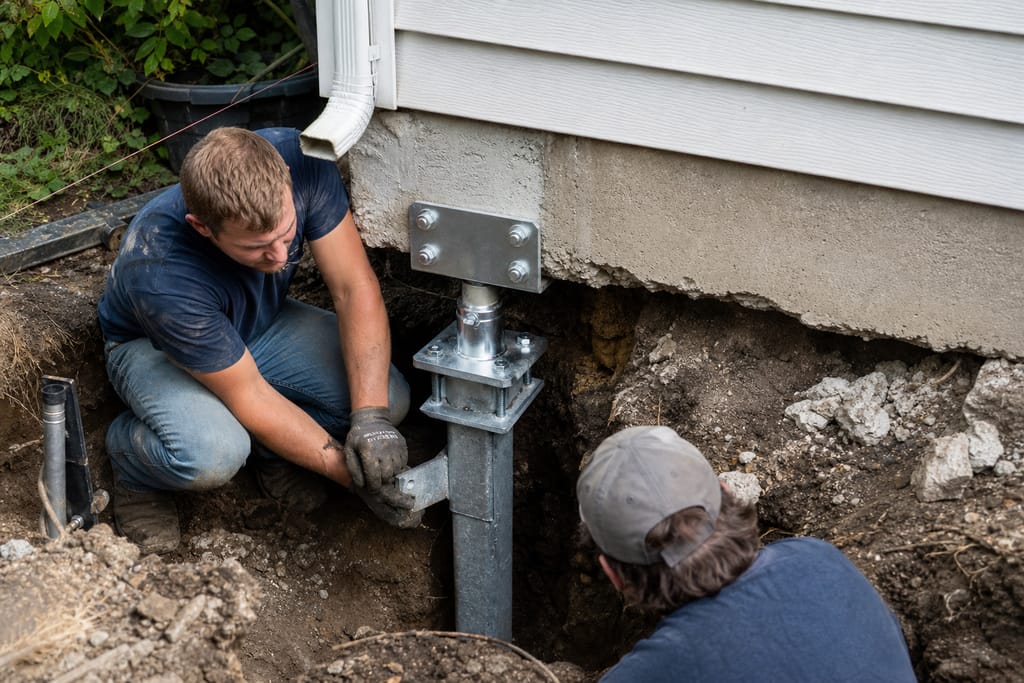
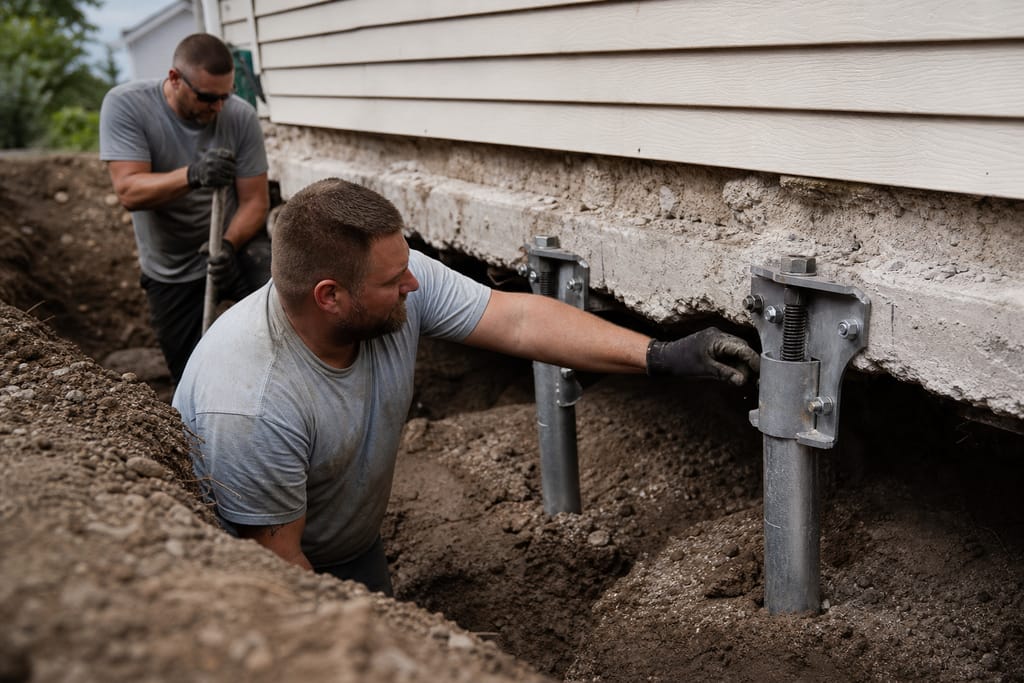
Steel Push Piers
Deliver deep, reliable support for heavier structures sitting on Spanish Fork's mixed clay and sand soil.
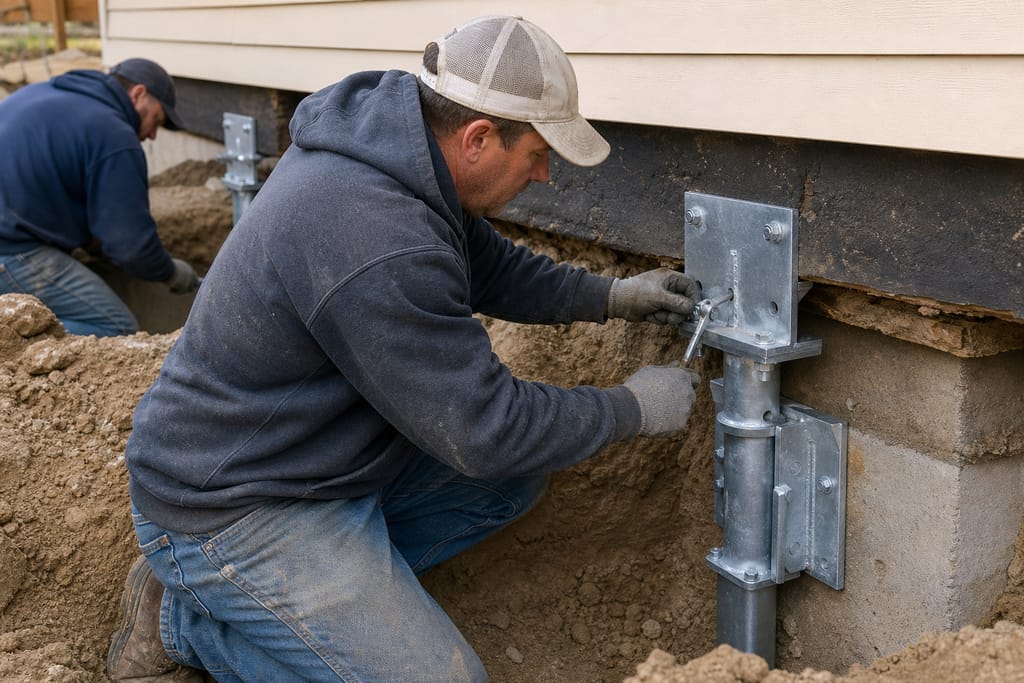
Helical Piers
Torque-driven support that works well where soil conditions vary across a single lot.
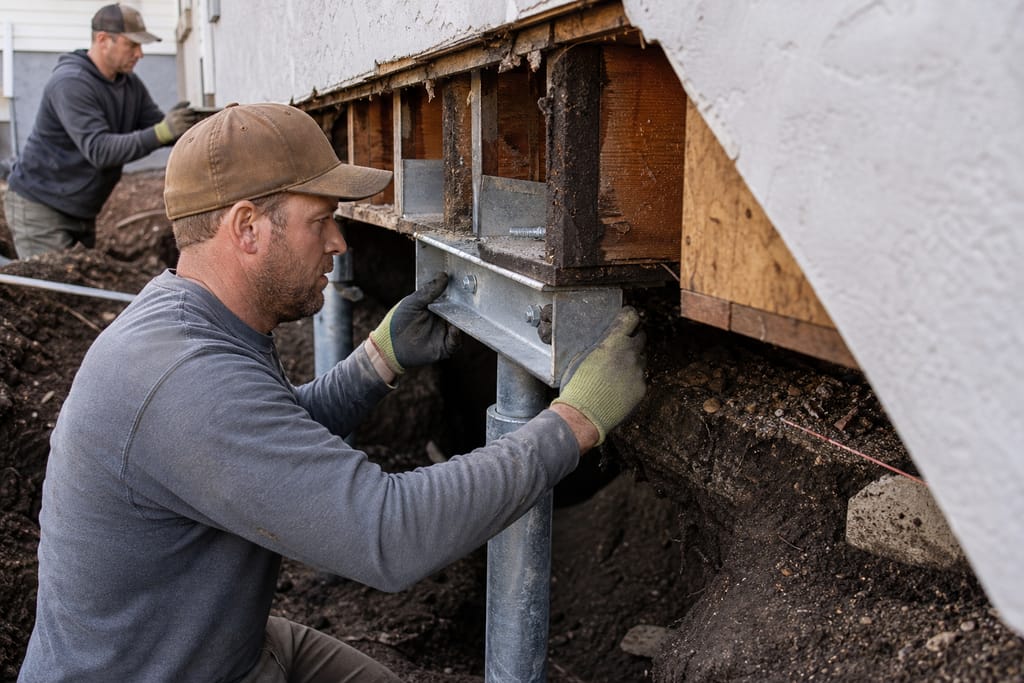
Underpinning Brackets
Connect piers securely to existing footings so load transfers evenly.
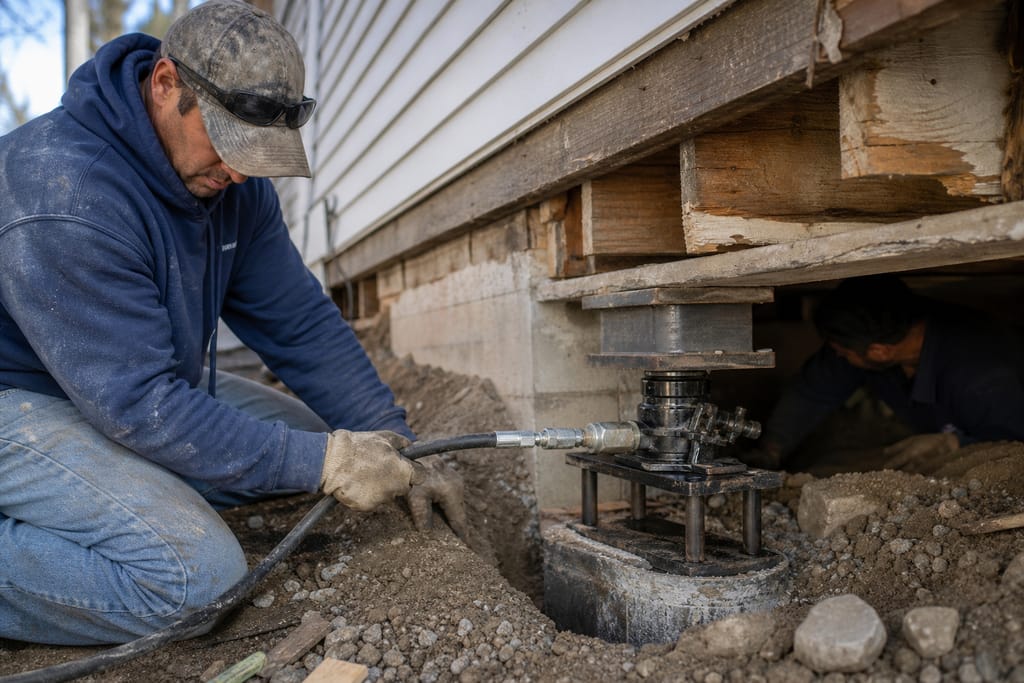
Hydraulic Lift Systems
Give crews controlled, precise elevation changes instead of guesswork.
Galvanized Coatings
Protect steel piers from corrosion in moist valley-floor soil over time.
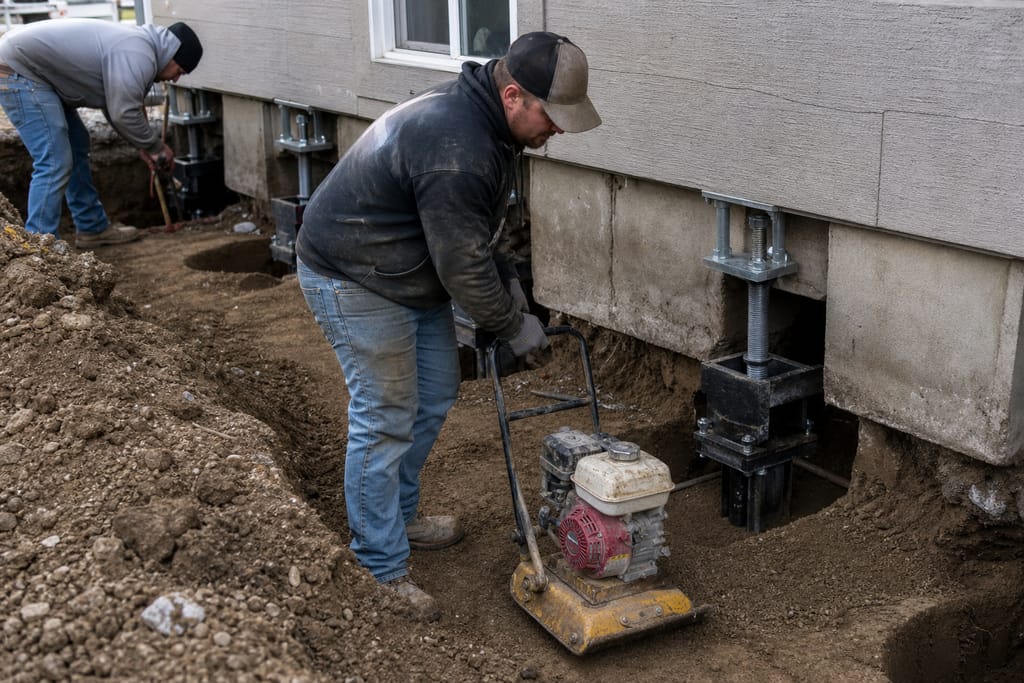
Compacted Fill Material
Stabilizes soil around new piers once excavation closes back up.
Questions on materials?
Get a Free EstimateTimeline
How long does a Piering and Underpinning take?
Most jobs run a few days from first excavation to final backfill, with timing driven by pier count and soil conditions.
- 01
Consult and inspection
same day - 02
Written estimate
1–2 days - 03
Permit approval
1–2 weeks - 04
Pier installation and lift
1–3 days - 05
Backfill and cleanup
same day
Need a schedule that fits?
Get a Free EstimateFAQs
Piering and Underpinning FAQs
How many piers does my foundation need?
Pier count depends on the length of the affected wall and the load it carries. Most residential jobs use anywhere from a handful of piers on a single corner to a full perimeter set for widespread settlement.
How deep do piers go in Spanish Fork soil?
Piers are driven or screwed until they hit stable bearing soil, which varies lot to lot given the mix of clay and sandy pockets across Utah County. Depth is confirmed during installation, not guessed in advance.
Will piering lower my home's resale value?
A documented, engineered pier repair typically reassures buyers more than an unaddressed crack or visible settlement would. Keep the paperwork from the repair for future disclosure.
Is piering covered by homeowners insurance?
Most policies exclude gradual settlement, though it's worth checking your specific policy. We provide a detailed estimate either way.
Do I need a permit for pier installation?
Structural piering typically requires a permit since it affects the load-bearing system of the home.
Can I install piers myself?
No. Pier installation requires hydraulic equipment, soil assessment, and engineered bracket placement that isn't a DIY-safe job.
Next step
Get a Piering and Underpinning Estimate in Spanish Fork
Call (385) 437-6742 or request a free estimate. Spanish Fork Foundation Pros will walk the site, explain what's moving, and give you a written scope before any digging starts.
Before & after
Before and After Piering and Underpinning
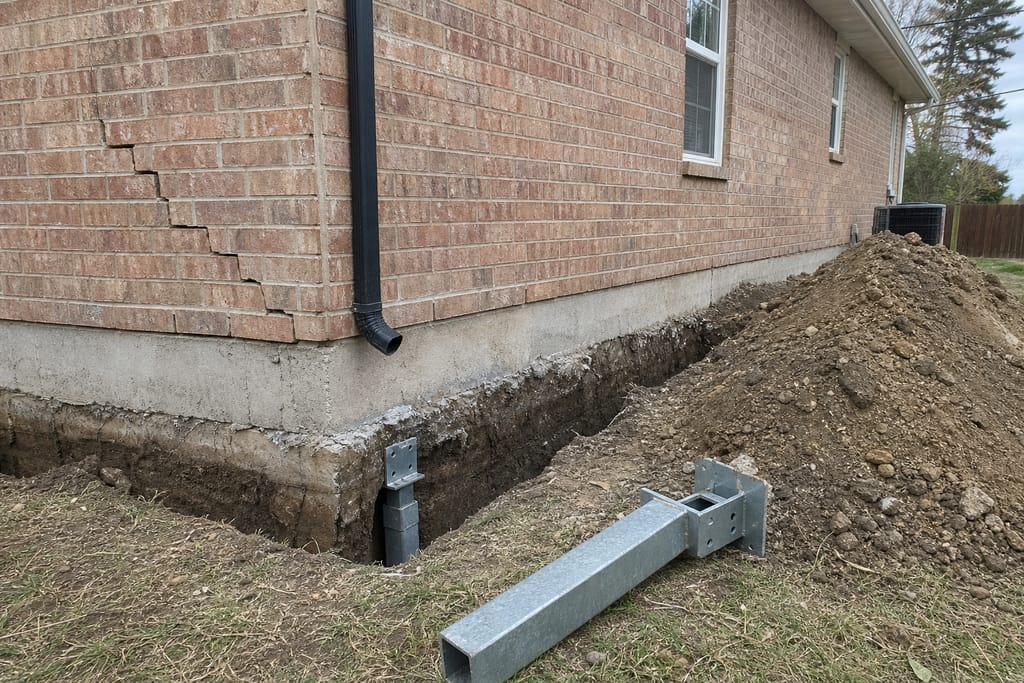
Before 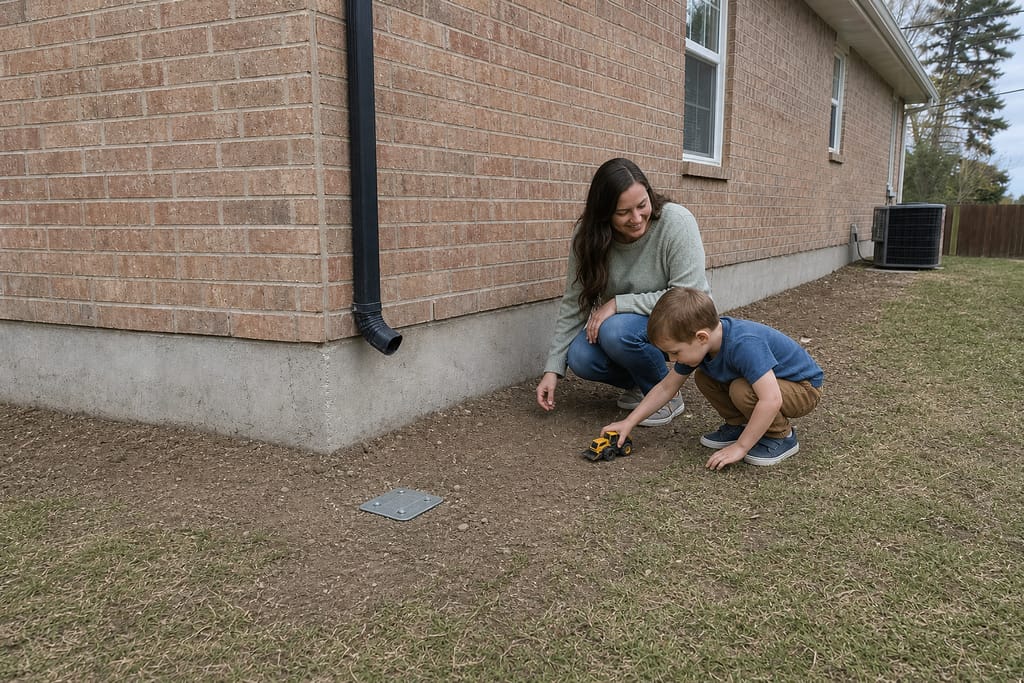
After
More services
Other Foundation Repair services
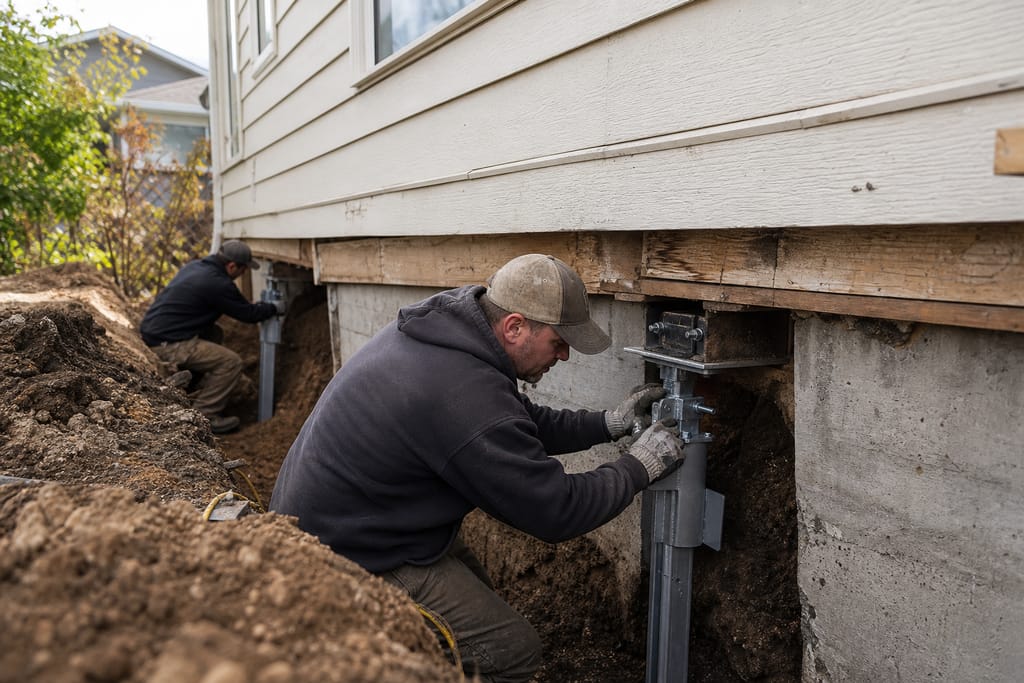
Foundation Repair
Foundation repair in Spanish Fork: piering, crack sealing, and underpinning for settling homes. Free estimates, no pressure.
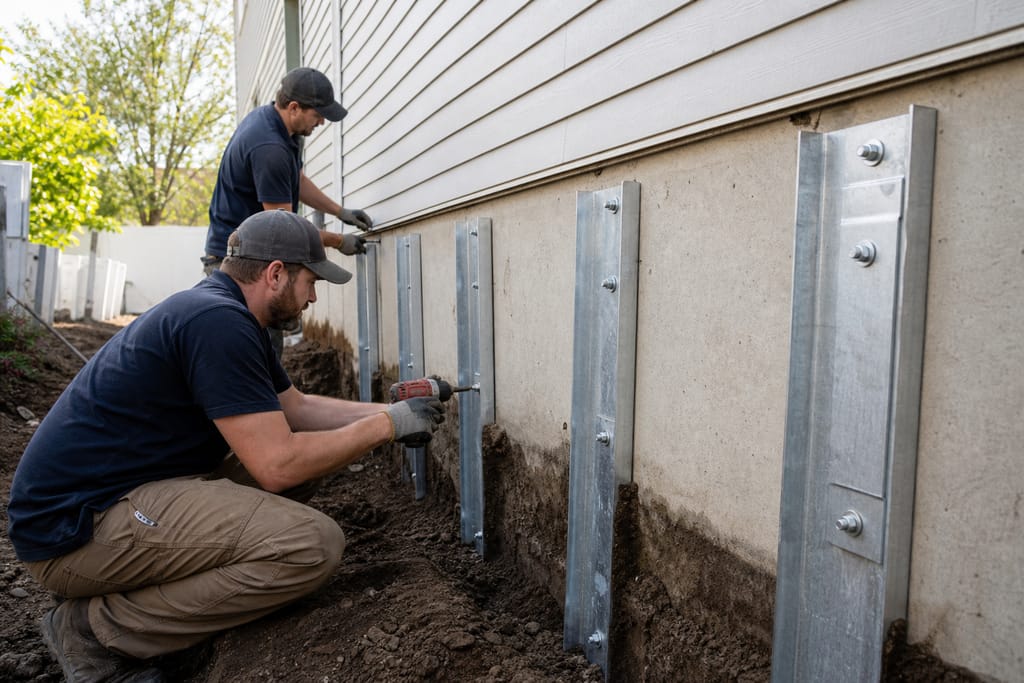
Wall Stabilization
Wall stabilization in Spanish Fork, UT: carbon fiber straps, steel I-beams, wall anchors, free written estimates.
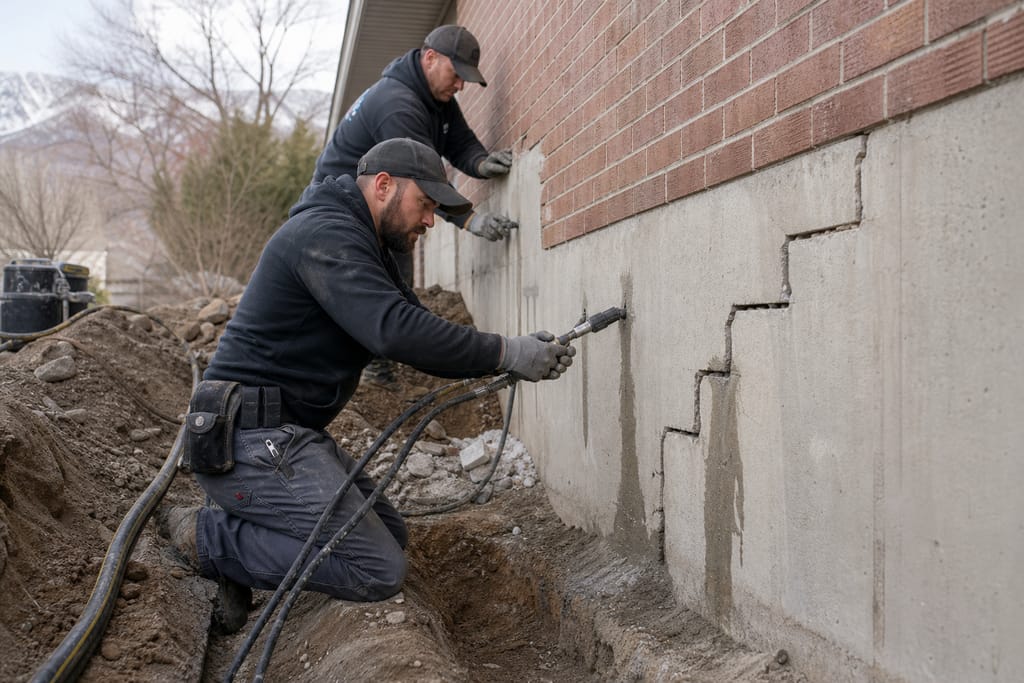
Foundation Crack Repair
Foundation crack repair in Spanish Fork, UT: epoxy and polyurethane injection, free written estimates, same-day options.
Ask about Piering and Underpinning
Tell us about the project and how to reach you.